Free Online Assessment
Canada Study Visa – A Complete Guide for International Students
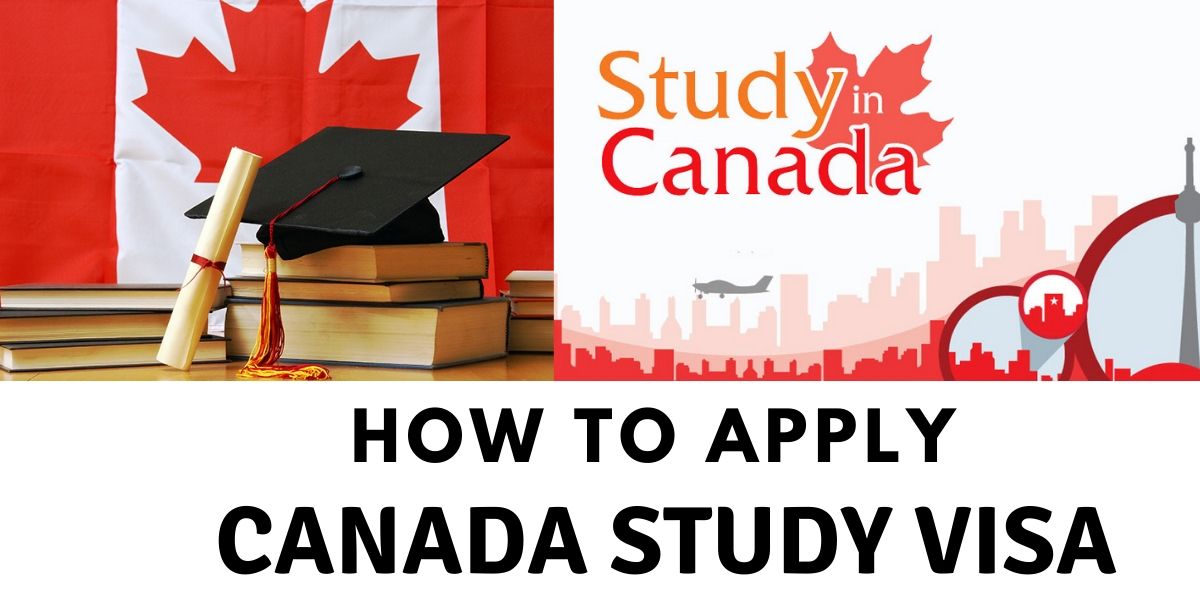
Canada is one of the most popular destinations for international students, offering world-class education, affordable tuition fees, and opportunities for permanent residency. To study in Canada for more than six months, international students must obtain a Canada Study Visa, also known as a Study Permit.
This guide explains everything you need to know about the Canada Study Visa, including eligibility, requirements, application process, fees, and post-study opportunities.
What is a Canada Study Visa (Study Permit)?
A Canada Study Visa or Study Permit is an official document issued by the Canadian government that allows foreign nationals to study at Designated Learning Institutions (DLIs) in Canada.
It is usually valid for the duration of the study program plus 90 days, allowing students time to prepare for departure or apply for an extension.
The study visa does not serve as a travel document. In addition, students may also need a visitor visa (Temporary Resident Visa – TRV) or an Electronic Travel Authorization (eTA) to enter Canada.
Eligibility for Canada Study Visa
To apply for a Canada Study Visa, students must meet certain eligibility requirements, including:
Letter of Acceptance from a Designated Learning Institution (DLI) in Canada.
Proof of financial resources to cover tuition fees, living expenses, and return transportation.
Valid passport with sufficient validity for the entire study period.
Medical examination (if required, depending on the applicant’s country of residence).
Police clearance certificate (to prove a clean record).
Language proficiency test scores (IELTS, TOEFL, or PTE Academic) if required by the institution.
Documents Required for Canada Study Visa
When applying for a study visa, applicants must provide:
Completed study permit application form (IMM 1294)
Valid passport with blank pages
Letter of Acceptance from a recognized Canadian DLI
Proof of funds (bank statements, loan documents, or scholarship letters)
Passport-size photographs as per Canadian specifications
Medical examination report (if applicable)
Police clearance certificate
Visa application fee receipt
Statement of Purpose (SOP) explaining study plans and goals
Language proficiency results (IELTS/TOEFL/PTE)
Financial Requirements for Canada Study Visa
Applicants must show they have enough funds to cover:
Tuition fees for the first year
Living expenses (minimum CAD $10,000 per year for a single student)
Additional funds for dependents (CAD $4,000 for the first family member + CAD $3,000 for each additional member)
Canada Study Visa Application Process
The process of applying for a Canada Study Visa involves several steps:
Step 1: Secure Admission
Apply to a Designated Learning Institution (DLI) in Canada.
Receive the Letter of Acceptance from the institution.
Step 2: Prepare Documents
Collect all required documents, including proof of financial support, medical exams, and police certificates.
Step 3: Apply Online or Offline
Submit your application online through the Immigration, Refugees, and Citizenship Canada (IRCC) website or offline via a Visa Application Centre (VAC).
Pay the study permit application fee (CAD $150).
Step 4: Provide Biometrics
Applicants may be required to provide fingerprints and photographs at a VAC.
Step 5: Wait for Processing
The processing time varies depending on the applicant’s country of residence (usually 4–12 weeks).
Step 6: Receive Study Permit Approval
If approved, students receive a Port of Entry (POE) Letter of Introduction.
Present this letter along with a valid passport and visa/eTA upon arrival in Canada.
Work Opportunities While Studying in Canada
One of the biggest advantages of a Canadian study visa is the opportunity to work while studying:
International students can work up to 20 hours per week during academic sessions.
During scheduled breaks (summer/winter holidays), students may work full-time.
Some programs also include co-op or internship placements, giving students valuable Canadian work experience.
Post-Graduation Work Permit (PGWP)
After completing studies in Canada, international students may be eligible for a Post-Graduation Work Permit (PGWP):
Valid for up to 3 years, depending on the duration of the study program.
Provides opportunities to gain Canadian work experience, which is valuable for applying for Permanent Residency (PR).
Pathway to Permanent Residency (PR)
Many students choose Canada because it offers a clear immigration pathway:
Programs like the Canadian Experience Class (CEC) and Provincial Nominee Programs (PNPs) make it easier for international graduates to apply for PR.
Work experience gained under a PGWP strengthens PR applications.